







, gr1icon-1.svg, 865, https://ambientsystem.eu/wp-content/uploads/2026/01/gr1icon-1.svg, https://ambientsystem.eu/en/solutions/transport/rail/gr1icon-1/, , 1, , , gr1icon-1, inherit, 6374, 2026-01-27 12:20:44, 2026-03-06 11:00:50, 0, image/svg+xml, image, svg+xml, https://ambientsystem.eu/wp-includes/images/media/default.png, 74, 74, Array)

, gr2icon-1.svg, 1162, https://ambientsystem.eu/wp-content/uploads/2026/01/gr2icon-1.svg, https://ambientsystem.eu/en/solutions/transport/rail/gr2icon-1/, , 1, , , gr2icon-1, inherit, 6374, 2026-01-27 12:20:45, 2026-03-06 11:00:50, 0, image/svg+xml, image, svg+xml, https://ambientsystem.eu/wp-includes/images/media/default.png, 74, 74, Array)

, gr3icon-1.svg, 1360, https://ambientsystem.eu/wp-content/uploads/2026/01/gr3icon-1.svg, https://ambientsystem.eu/en/solutions/transport/rail/gr3icon-1/, , 1, , , gr3icon-1, inherit, 6374, 2026-01-27 12:20:46, 2026-03-06 11:00:50, 0, image/svg+xml, image, svg+xml, https://ambientsystem.eu/wp-includes/images/media/default.png, 74, 74, Array)








Yes. Intercoms utilize advanced digital signal processing algorithms. This includes acoustic echo cancellation, noise reduction, and automatic gain control, ensuring high-quality voice communication even in noisy environments. Additionally, intercoms automatically adjust volume levels to the environment and regulate microphone gain.
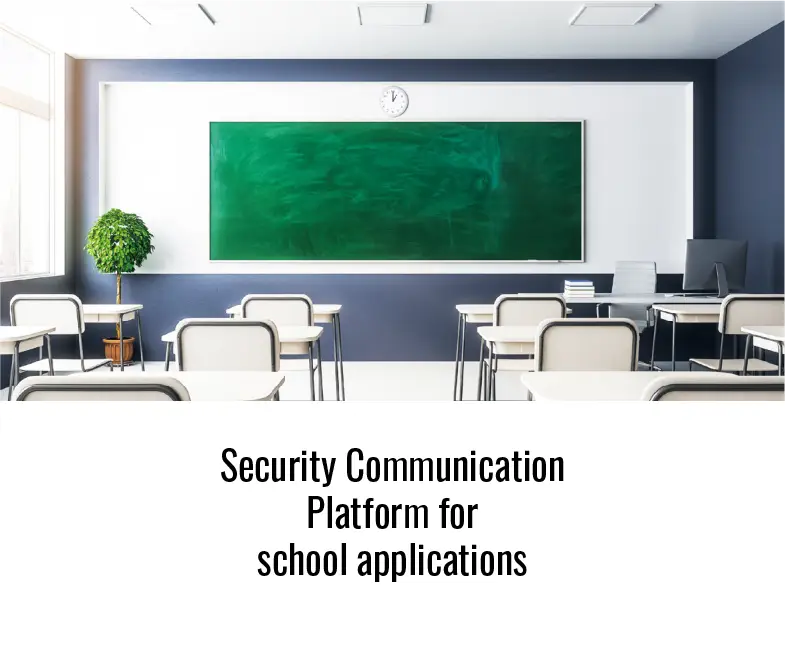
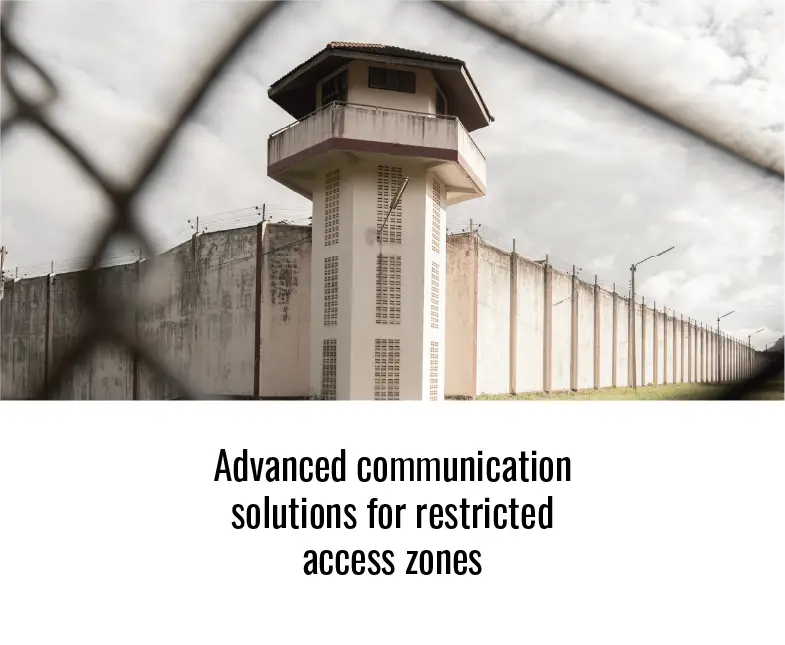
Yes. Intercom Systems are designed for use in diverse environments, including: hospitals (operating rooms, clean rooms, laboratories, pre- and post-operative blocks, nurse and doctor rooms, reception areas, waiting rooms, isolation rooms), mass transit hubs (airports, metro, road and rail tunnels), industrial facilities, security applications (perimeter protection), elevators, schools (from daily communication to crisis situations), and public buildings.
Yes. Connection to the intercom web server is possible by entering the intercom's IP address in a web browser, enabling device configuration and management.
Yes. The intercom system can integrate with external systems. Integration is accomplished using standard protocols such as SIP (for VoIP systems), ONVIF (for video surveillance systems), and Modbus (for building automation and control systems).
Yes. The intercom system ensures broad compatibility with other platforms, including VoIP systems from other manufacturers, VMS (Video Management System) software, and building management systems (BMS), through support for open communication standards.
Yes. The system continuously monitors connected intercoms, distinguishing their active state, idle state, and any potential faults. Additionally, the system can perform acoustic verification of the speaker-microphone path by having the intercom transmit a special test signal that must be correctly received by its microphone. Audio path faults are automatically reported to the intercom server and management systems.
Yes. The intercom system utilizes a redundant TCP/IP network tunnel and supports dual network ports. The system is fully digital, with all key components communicating via Ethernet network and TCP/IP protocol family. Configuration of a redundant server for ISE COMM and ISE VES System Gateway is also possible. Additionally, there is the capability to monitor connected speaker lines for breaks, short circuits, and ground faults, as well as the use of backup amplifiers with automatic switching in DSO/PA systems.
Yes. The system complies with standards and holds certifications required in European markets, such as DIN VDE 0833-4 for sound management and acoustic signaling systems in buildings, confirming its compliance with European safety and quality standards.